
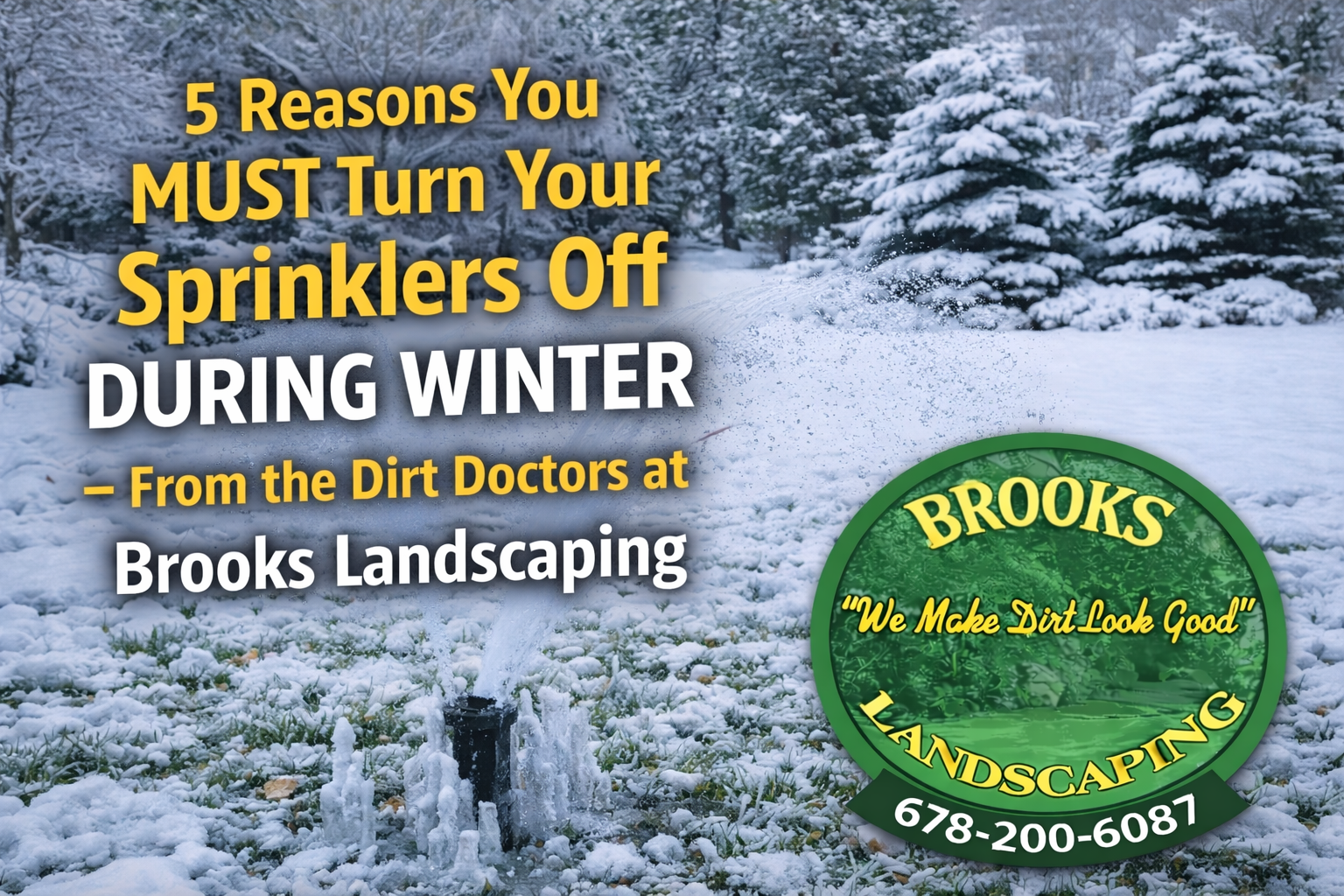
1. Prevent Root Rot and Winter Fungal Growth
During the winter months, your lawn naturally enters a dormant phase to conserve energy. Growth slows, grass blades tighten, and roots rest. When sprinklers are left running:
Soil becomes oversaturated
Roots are deprived of oxygen
Fungal diseases (like brown patch or gray leaf spot) spread
Turf health declines long before spring returns
This is especially important for Zeon Zoysia, Bermuda, and Fescue lawns common in Dallas, Hiram, Kennesaw, and Acworth. These grasses require significantly less moisture in cold weather.
Too much water + cold soil = root suffocation and long-term lawn damage.
Shutting off your sprinklers protects your turf from avoidable disease and costly spring restoration work.

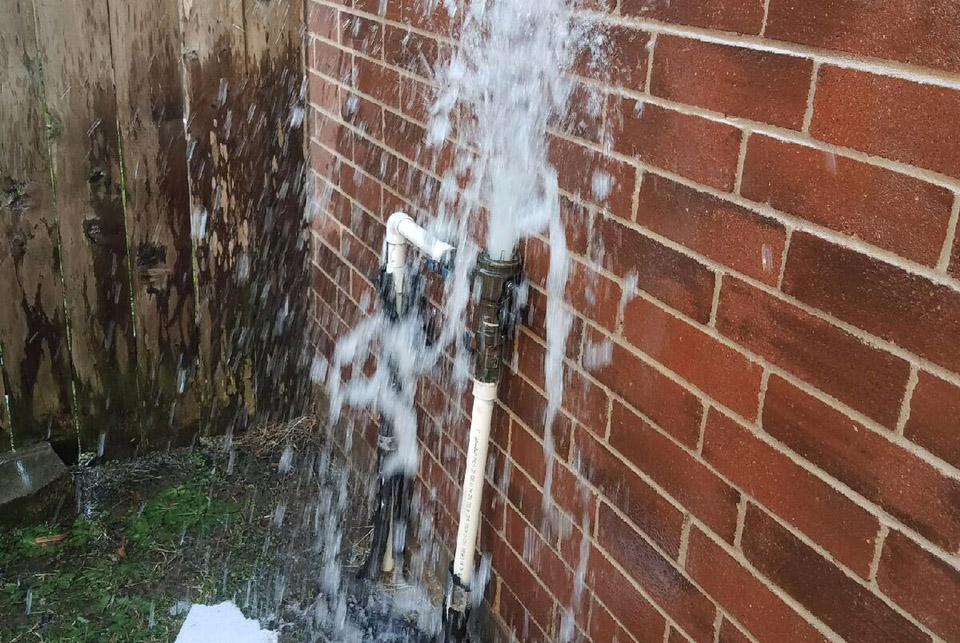
2. Protect Your Irrigation System From Freeze Damage
When temperatures drop into the low 30s—even briefly—any remaining water inside your irrigation lines can:
Expand
Freeze
Crack PVC and poly pipes
Burst sprinkler heads
Damage backflow preventers
In Paulding County, nights can dip low enough to create pressure buildup inside lines, leading to expensive repairs.
Replacing cracked irrigation lines often costs far more than a simple winter shutoff.
A frozen backflow preventer alone can run hundreds of dollars to fix.
Turning sprinklers off during winter protects your investment and keeps your system ready for spring activation.
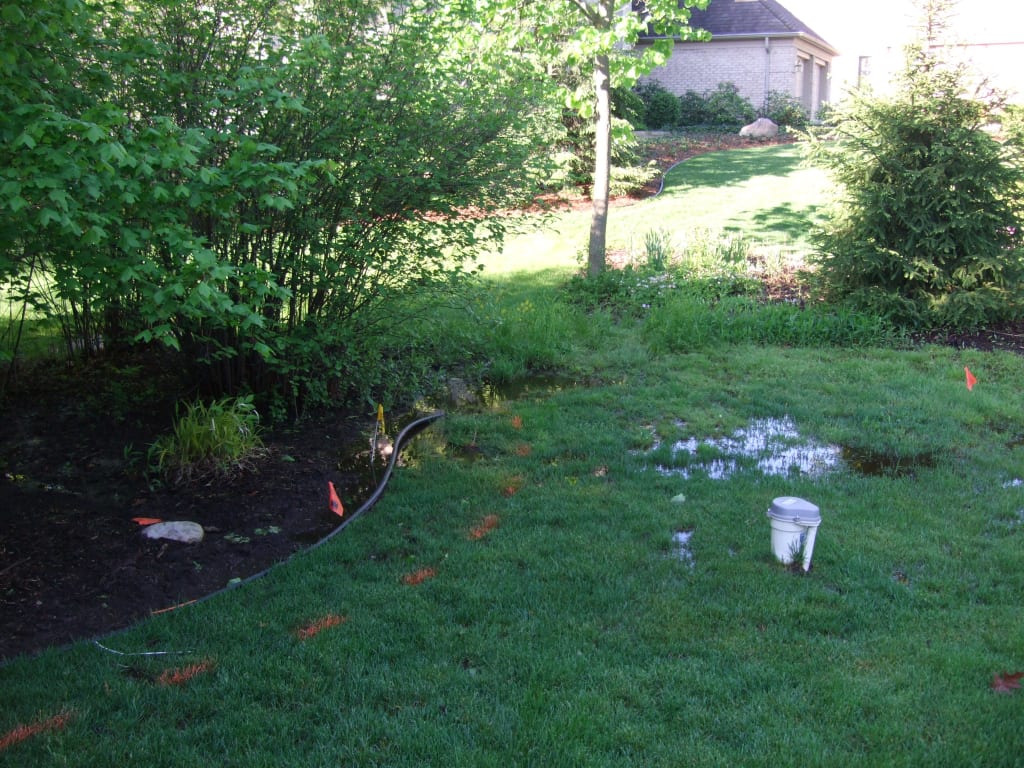

3. Avoid Water Runoff, Erosion, and Drainage Issues
At Brooks Landscaping, we are Paulding County’s drainage and erosion control experts, and we see wintertime irrigation mistakes cause:
Standing water
Muddy patches
Soil compaction
Washouts
Foundation drainage problems
Increased water flow toward patios, driveways, and crawlspaces
Winter rain already keeps the soil moist. Adding extra irrigation pushes water to areas where it doesn’t belong.
If your property already has marginal grading or slow-draining clay soil, running sprinklers in winter creates unnecessary drainage problems that can:
Kill grass
Damage landscape beds
Threaten home foundations
Require expensive drainage repairs (French drains, grading, dry creek beds, etc.)
Simply shutting off irrigation prevents oversaturation during Georgia’s rainiest months.


4. Your Lawn Doesn’t Need the Extra Water in Winter
This point surprises many homeowners:
Dormant lawns need almost zero supplemental water during winter months.
In Georgia, natural rainfall is more than enough to support:
Zeon Zoysia
Emerald Zoysia
Bermuda grass
Tall Fescue
Overwatering in winter interrupts natural dormancy cycles and weakens spring recovery.
By turning your sprinklers off, you help your lawn:
Preserve carbohydrate stores
Strengthen root systems
Wake up healthier in spring
Resist pests, weeds, and thatch buildup
A healthier spring lawn starts with smarter winter watering practices.

5. Lower Your Water Bill — And Protect the Environment
Why pay for water your lawn doesn’t need?
Keeping your irrigation system running in the winter leads to:
Unnecessary utility costs
Water waste
Stress on municipal water systems
Higher monthly bills
Many Georgia homeowners see their water bills drop instantly once they winterize their irrigation.
Turning sprinklers off is not just a smart financial move—it’s a responsible landscape practice for Paulding County homeowners.
How to Properly Turn Off Your Irrigation System
To protect your system fully, Brooks Landscaping recommends:
 1. Shut off the irrigation water supply
Prevents freeze expansion in the main lines.
2. Turn off the controller (or put it in “rain mode”)
3. Drain or blow out lines if needed
4. Insulate above-ground components
Backflow preventers and exposed piping are the first to freeze.
5. Inspect valves and heads for spring readiness
If you want the Dirt Doctor team to handle your winter irrigation shutdown, we service homeowners across Dallas, Hiram, Acworth, Kennesaw, and the greater Paulding County area.
Why Winter Watering Mistakes Lead to Expensive Spring Problems
Leaving sprinklers on all winter often results in:
Patchy turf
Soil erosion
Oversaturated muddy zones
Fungus outbreaks
Weak spring green-up
Costly irrigation repairs
These issues lead many homeowners to call us for emergency repairs in March and April—problems that could have been avoided with a simple system shutoff.
Brooks Landscaping — Your Local Landscape, Drainage & Irrigation Experts
As the Dirt Doctor of Paulding County, Brooks Landscaping proudly provides:
Landscape drainage solutions
French drains & dry creek beds
Yard grading & leveling
Erosion control
Zeon Zoysia sod installation
Decorative gravel & hardscape design
Foundation drainage protection
Irrigation adjustments, repairs, and winterization
We diagnose problems.
We create solutions.
And We Make Dirt Look Good™.
Winterize Before the Damage Starts
Unsure if your sprinklers are still running?
Seeing standing water or soggy patches?
Not sure how to shut your system down properly?
Let the Dirt Doctor handle it.
 678-200-6087
 www.BrooksLandscapingGa.com
Your yard deserves year-round protection.
Fix the Flow with the Dirt Doctor — and set your landscape up for a strong spring comeback.


