
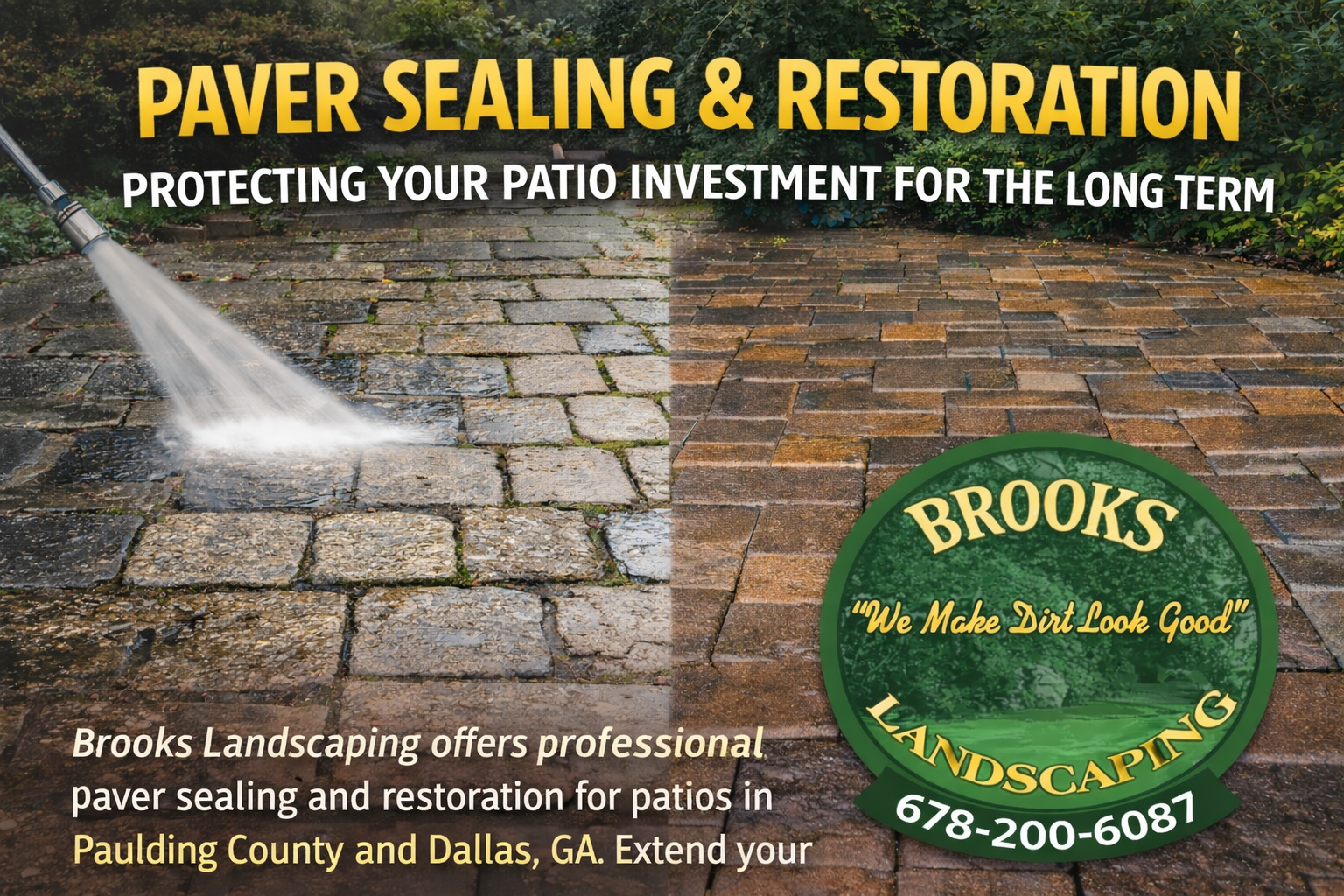
Paver Sealing & Restoration: Protecting Your Patio Investment for the Long Term


Why Paver Maintenance Is Often Overlooked


Pavers are designed to be durable — but they’re not maintenance-free.
Over time, homeowners may notice:
-
Fading or discoloration
-
Weed growth between joints
-
Moss or algae buildup
-
Sand washing out of joints
-
Dull or uneven appearance
These issues don’t usually happen overnight. They develop slowly, which is why many homeowners don’t realize preventive maintenance could save them from costly repairs later.
What Is Paver Sealing & Restoration?
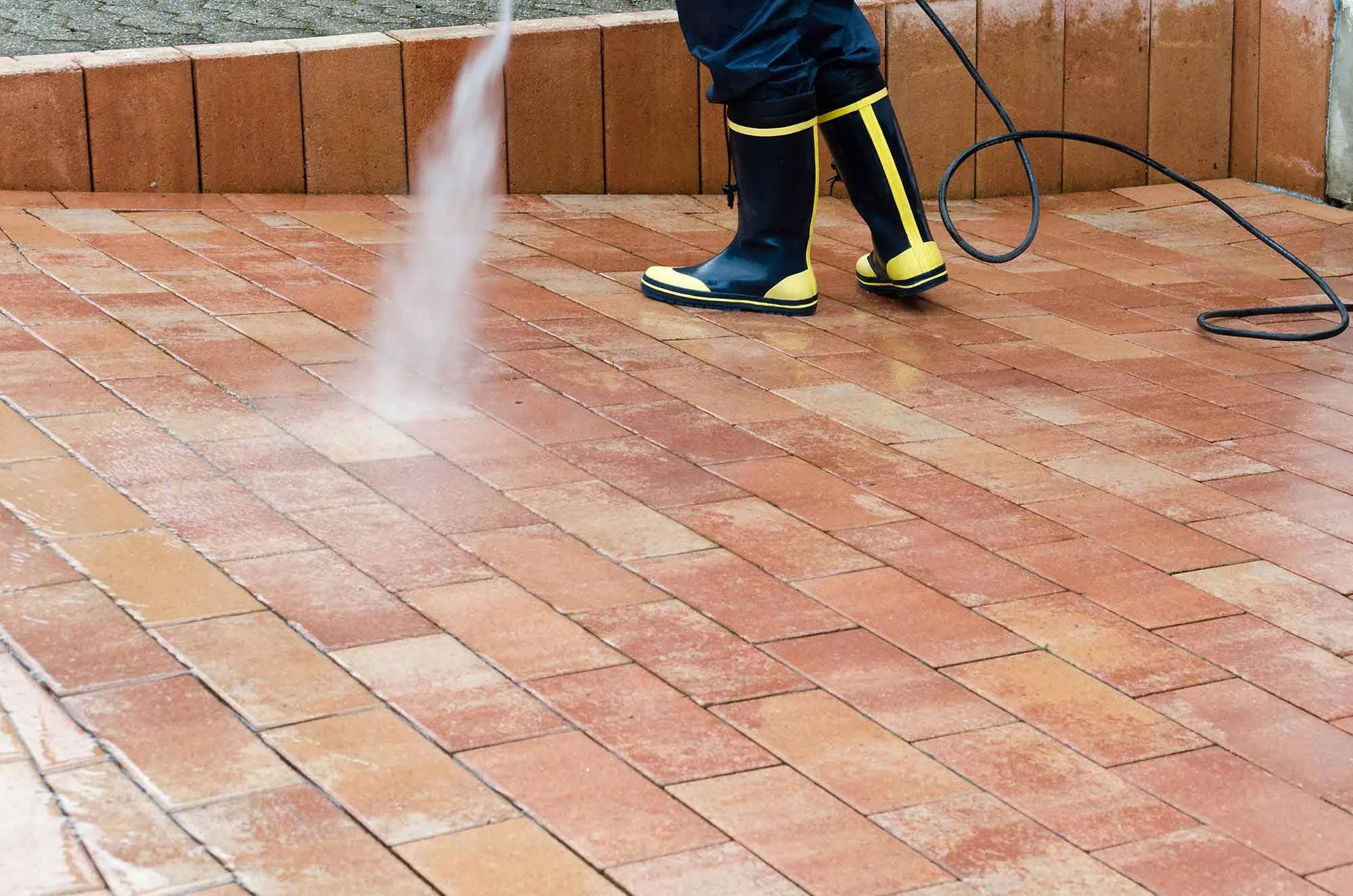
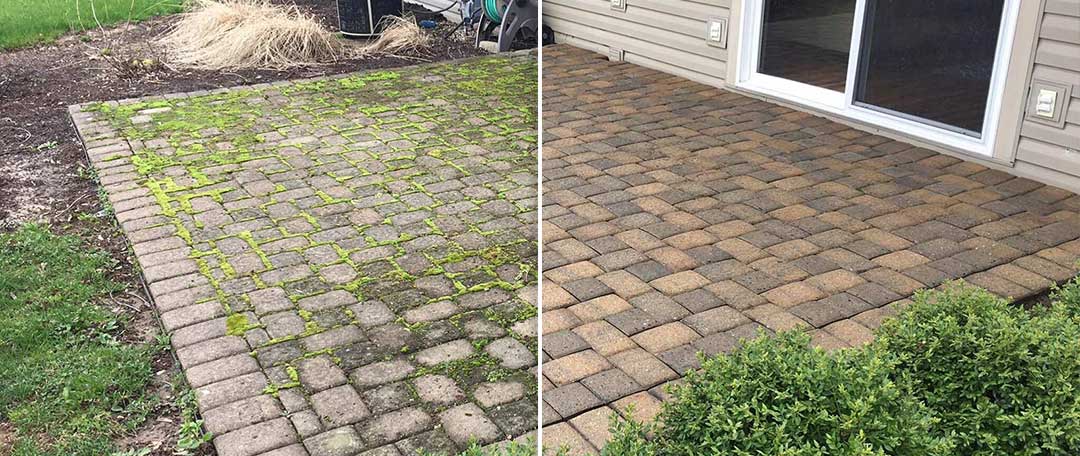
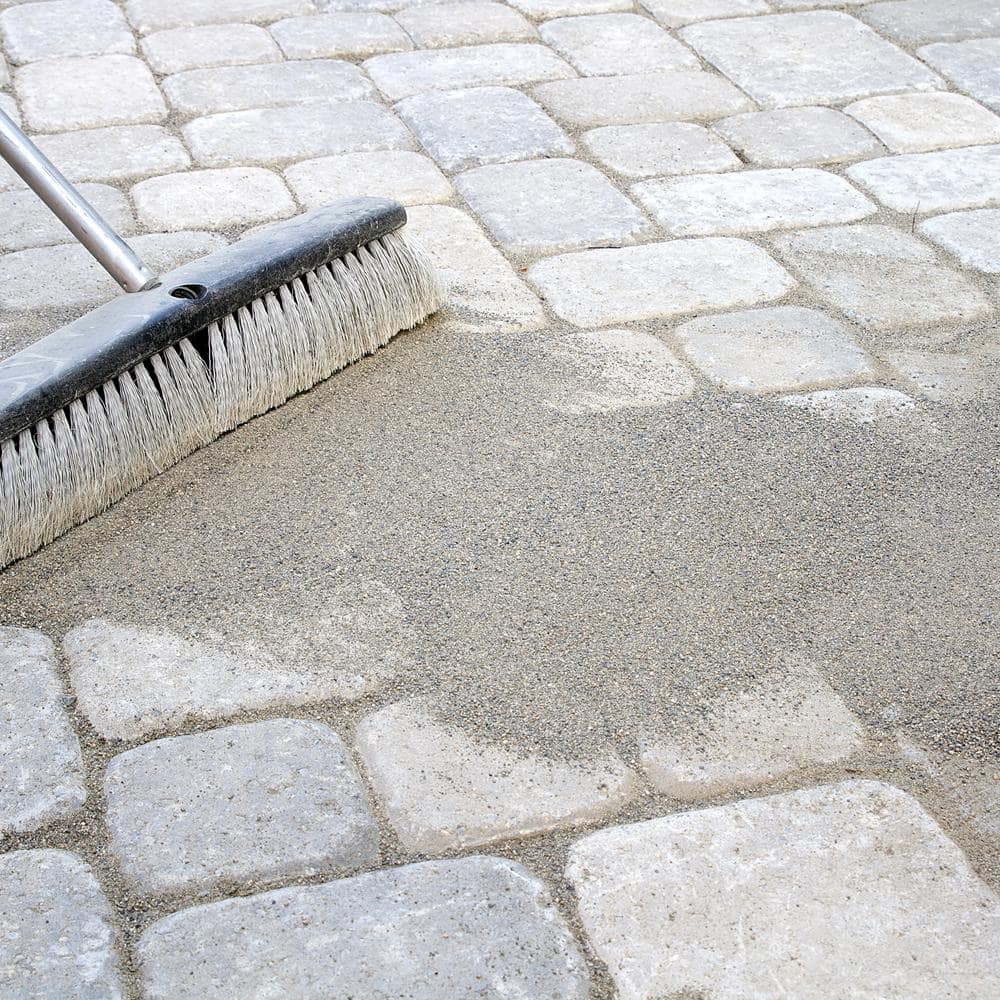
Paver sealing and restoration is a multi-step process designed to refresh, protect, and stabilize your patio or walkway.
The Process Typically Includes:
1. Professional Power Washing
Built-up dirt, grime, algae, and stains are removed to restore the original look of the pavers.
2. Re-Sanding the Joints
Fresh joint sand is swept into the paver gaps to help lock everything back into place and reduce shifting.
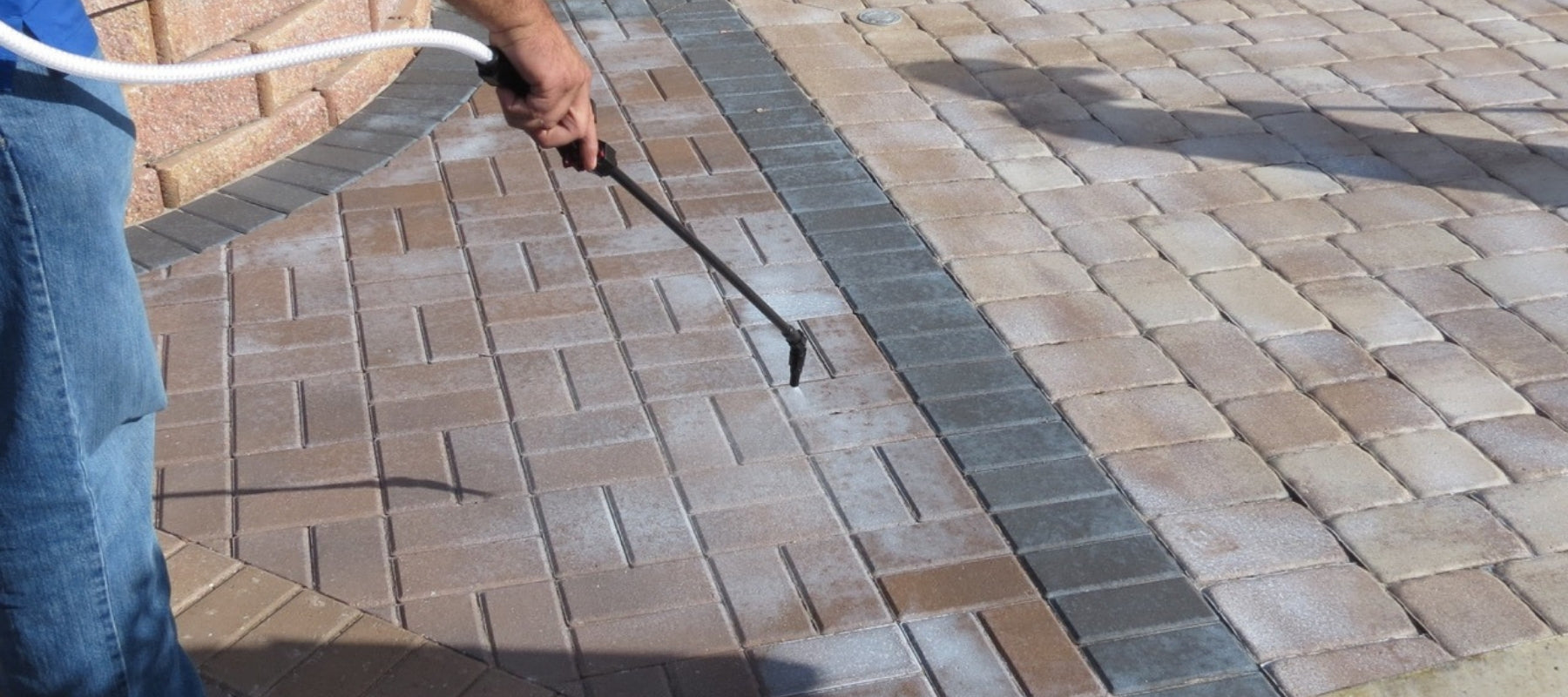
3. Sealant Application
A high-quality sealant is applied to:
-
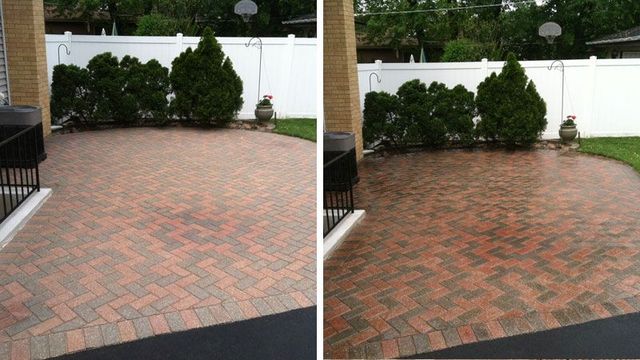
Enhance color
-
Reduce staining
-
Limit weed growth
-
Protect against moisture penetration
This process not only improves appearance it protects the structural integrity of the patio.
Why Sealing Your Pavers Matters


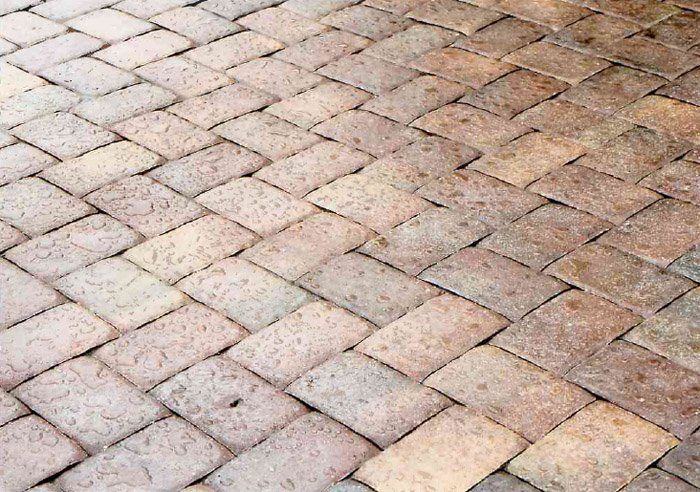
Sealing pavers provides benefits homeowners often don’t expect:
-
Helps maintain color and finish
-
Reduces weed growth and ant intrusion
-
Minimizes erosion of joint sand
-
Makes cleaning easier
-
Protects against water damage and stains
In short, sealing helps your patio age gracefully instead of deteriorating prematurely.
How Often Should Pavers Be Sealed?
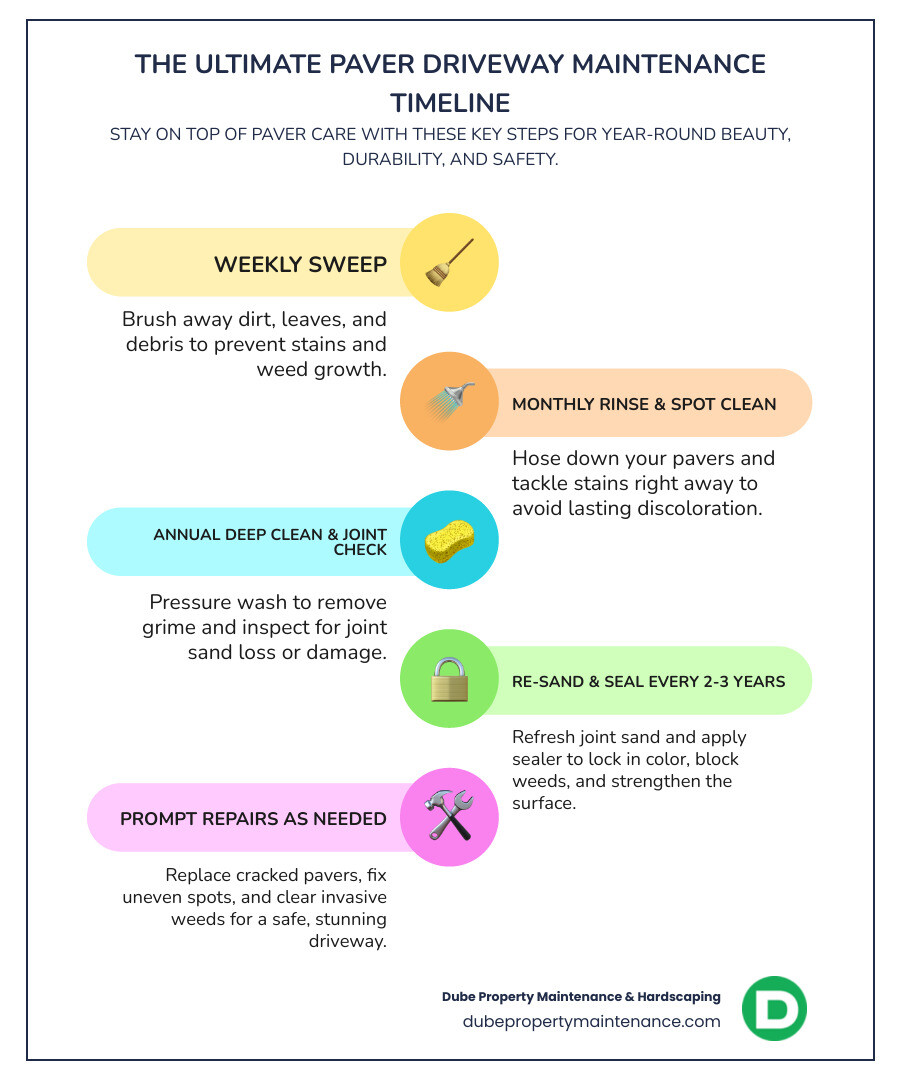

Most paver patios benefit from sealing every 2–3 years, depending on:
-
Sun exposure
-
Drainage conditions
-
Foot traffic
-
Local climate
Routine inspections help identify issues early, allowing homeowners to address small problems before they become major repairs.
Paver Sealing vs. Replacement: A Smart Financial Decision
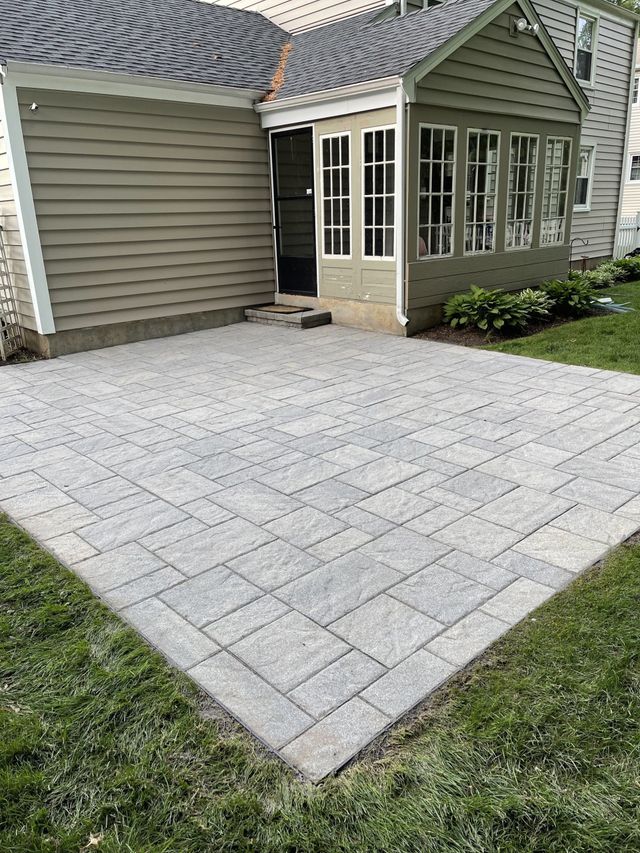

One of the biggest advantages of paver sealing and restoration is cost efficiency.
In many cases:
-
Restoration costs a fraction of replacement
-
Results dramatically improve appearance
-
Structural performance is preserved
For homeowners who want to protect their investment, sealing is often the smartest move.
Designed to Protect What You’ve Already Built
At Brooks Landscaping, we don’t just install outdoor features — we help homeowners maintain and protect them.
Our technical maintenance services are designed to:
-
Extend the life of patios and walkways
-
Preserve visual appeal
-
Protect against long-term damage
-
Maximize homeowner investment
Landscaping that solves problems doesn’t stop at installation — it continues with proper care.
Is Your Patio Due for Maintenance?
If your patio looks dull, stained, or overgrown with weeds, restoration may be all it needs — not replacement.
📍 Serving Paulding County, Dallas GA, and surrounding areas
📞 678-200-6087
🌐 www.BrooksLandscapingGa.com
Brooks Landscaping — We Make Dirt Look Good™
Protecting Your Outdoor Investment. Built to Last.


